

Finsbury Park Stroud Green Road rubbish clearance guide
Posted on 09/06/2026
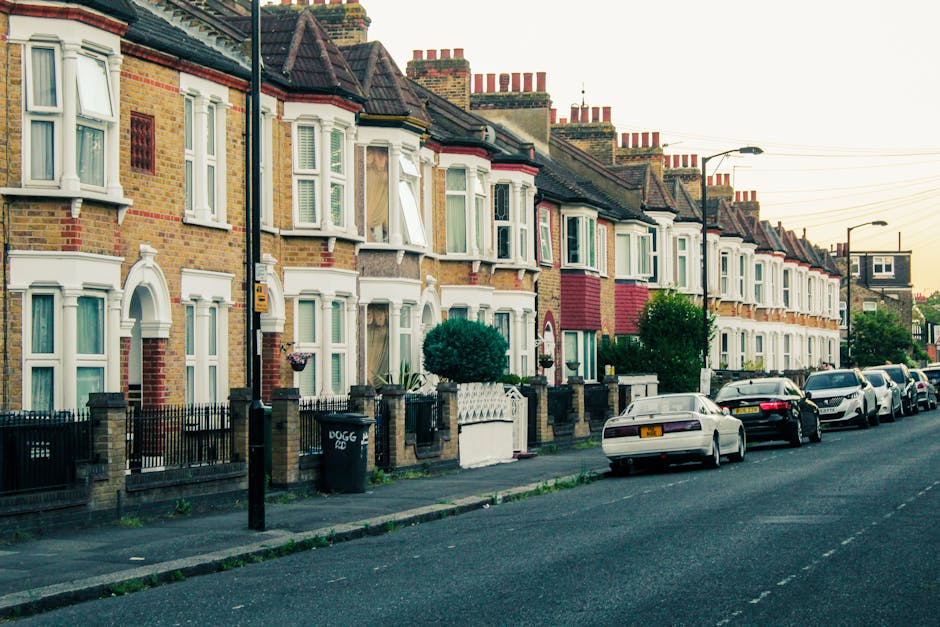
If you live, work, or trade around Stroud Green Road, rubbish has a habit of building up at the worst possible time. One minute it is a few bags by the hallway, the next it is a broken wardrobe, renovation offcuts, and a loft full of things you meant to sort months ago. This Finsbury Park Stroud Green Road rubbish clearance guide is here to make the whole thing feel manageable. We will walk through how local rubbish clearance works, what to expect, where people usually get stuck, and how to choose the right approach without wasting time or money.
It is written for the real world, not the tidy ideal. Narrow staircases, busy pavements, awkward parking, neighbour pressure, last-minute sale deadlines - all of that matters here. And truth be told, a good clearance plan can save a lot of stress.
- Why it matters
- How it works
- Key benefits
- Who needs this
- Step-by-step guidance
- Expert tips
- Common mistakes
- Tools and resources
- Law, compliance and best practice
- Options comparison
- Real-world example
- Practical checklist
- Conclusion
- Frequently asked questions
Why Finsbury Park Stroud Green Road rubbish clearance guide Matters
Stroud Green Road sits in a part of Finsbury Park where everyday life is busy and close-knit. Flats turn over, shops refresh stock, landlords arrange end-of-tenancy clear-outs, and small businesses often need clutter gone quickly. That means rubbish clearance is not just about tidying up. It is about keeping access clear, avoiding complaints, and making sure waste is dealt with properly.
In a street like this, rubbish left out too long can become more than an eyesore. It can block shared entrances, attract fly-tipping, or make a property harder to let or sell. If you are preparing for a move, a refurbishment, or a post-event clean-up, getting the waste side sorted early usually makes the whole day run smoother. You will notice the difference straight away.
Local context matters too. Finsbury Park has a mix of residential buildings, busy main-road frontage, and older properties with limited storage. That changes the way clearance needs to be planned. A simple "just hire a van" approach often turns into a bit of a faff. Better to think it through.
How Finsbury Park Stroud Green Road rubbish clearance guide Works
At its simplest, rubbish clearance means collecting unwanted items from a property or business, loading them safely, and taking them away for disposal, reuse, or recycling. The exact process depends on the type and amount of waste, access conditions, and whether the job is a one-off or part of a larger clean-up.
For most local jobs, the process looks something like this:
- Assess what needs removing, including bulky items, mixed waste, and anything fragile or awkward.
- Check access, parking, stairs, lift use, and the route from the property to the vehicle.
- Separate items that can be reused or recycled from general waste.
- Remove the rubbish safely and avoid damaging walls, floors, or shared spaces.
- Dispose of the load through appropriate waste channels.
That sounds straightforward, but the small details matter. A mattress on the third floor is a very different job from three bin bags by the kerb. Likewise, builders' rubble, old desks, and garden cuttings all behave differently when you are loading and transporting them. If you want a broader overview of available services, the services overview is a useful place to compare the main options.
For heavier renovation loads, you may also want to look at builders waste disposal in Finsbury Park, because mixed construction waste needs a slightly different plan from domestic clutter.
Key Benefits and Practical Advantages
A well-managed rubbish clearance is not just neat and tidy. It creates practical breathing room. That is probably the best way to think about it. Once the unwanted stuff is out, the property becomes easier to use, easier to inspect, and easier to move through.
Here are the main advantages people usually notice:
- Faster progress on moves and refurbishments: Clear floors and hallways make every other task simpler.
- Better first impressions: This matters if you are preparing a home for sale, letting, or an open viewing.
- Reduced stress: One tidy removal plan beats a dozen half-finished trips to the tip.
- Safer access: Less clutter means fewer trip hazards, especially in older buildings.
- Improved recycling potential: Sorting items properly can keep more out of general waste.
There is also a quieter benefit that people underestimate: momentum. Once the rubbish is gone, it is much easier to finish the job. A cluttered room tends to stall people. A cleared room nudges you forward.
If you are dealing with furniture, a dedicated service such as furniture disposal in Finsbury Park can be a smart fit, especially when sofas, wardrobes, and tables are the main issue.
Who This Is For and When It Makes Sense
This guide is useful for a wide mix of people, and not just homeowners with too many boxes in the hallway. In practice, the same local street can serve tenants, landlords, office managers, tradespeople, and long-term residents all at once.
It makes sense if you are:
- moving out and need a fast flat clearance
- getting a rental property ready for new tenants
- clearing post-refurbishment waste from a renovation
- emptying a loft, storage cupboard, or spare room
- replacing old furniture or office equipment
- dealing with garden cuttings after seasonal maintenance
- preparing a property for sale or photography
For homeowners, clutter often builds slowly, then suddenly becomes urgent. For landlords, urgency usually comes with a deadline. And for local businesses, the issue is often visibility - a messy frontage on a busy road does nobody any favours. If your needs are more domestic and broad, a house clearance in Finsbury Park may be a better fit than a simple load-by-load collection.
There is no single "right" moment, but a common sign is this: if you cannot clear the items without disrupting the rest of your day, it is probably time to get a plan.
Step-by-Step Guidance
Here is a practical way to approach rubbish clearance around Stroud Green Road without overcomplicating it.
1) Walk the space properly
Start by checking every room, storage area, and access point. Don't just glance at the obvious pile. Look at cupboards, loft hatches, behind doors, and shared hallways. In older Finsbury Park buildings, waste often hides in odd corners. A quick sweep with your phone torch can reveal more than you expected.
2) Split items into clear categories
Separate general rubbish, reusable furniture, recyclable materials, and anything that needs special handling. This saves time later and helps avoid mixing loads unnecessarily. A rough sort is usually enough to start with. It does not need to be perfect, just sensible.
3) Check access and parking
On a road like Stroud Green Road, access can shape the whole job. Consider where a vehicle can stop, whether there are loading restrictions, whether stair access is tight, and whether neighbours need warning about temporary obstruction. A ten-minute look outside can prevent a lot of back-and-forth on the day.
4) Decide whether the job is small or full-scale
One bag of household waste is not the same as clearing an entire flat. A single bulky item may suit a quick collection, while a larger clearance may need more labour, time, and sorting. If there is loft waste in the mix, a loft clearance service can be much more practical than trying to drag everything down yourself.
5) Get a quote that reflects the real job
Be honest about what is there. Hidden items, extra bags, or heavy materials can change the plan. A decent quote depends on accurate information, not guesswork. If you want to compare pricing styles and how estimates are usually put together, take a look at pricing and quotes.
6) Prepare the site before collection
Move small items together, clear a route, and keep fragile possessions out of the way. If you have neighbours nearby, it is polite to avoid blocking shared areas longer than needed. Nothing dramatic. Just the sort of common-sense prep that makes the whole thing less annoying for everyone.
7) Confirm recycling and disposal expectations
Ask what will be recycled, what will be reused, and what will go as residual waste. It is better to understand this upfront than assume everything will be treated the same. Responsible waste handling is one of those behind-the-scenes things that matters more than people realise.
Expert Tips for Better Results
A few small habits can improve the result quite a lot. These are the details that experienced clearance teams tend to think about automatically, but householders often only learn the hard way.
- Photograph the load before collection: useful if you are comparing quotes or checking what was agreed.
- Keep donation-worthy items separate: a usable chair should not be buried under broken shelving.
- Do the awkward items first: mattresses, old wardrobes, and broken appliances can dominate the job if left to the end.
- Check for sharps or hazardous materials: nobody wants a nasty surprise in a mixed bag. Seriously.
- Plan around residents and neighbours: early morning or late evening removals may not be ideal in a busy street.
A useful local rule of thumb: the more central or shared the access, the more you should think about timing and communication. A little consideration goes a long way on a street where people are coming and going all day.
If your rubbish is linked to a business move or workplace refresh, the office clearance page may be more relevant than a general domestic collection. Offices tend to produce more mixed items than people expect - chairs, monitors, filing bits, and the odd mysterious cable from 2014.

Common Mistakes to Avoid
Most clearance problems are not caused by one big error. They come from a handful of small oversights that pile up. The good news? They are easy enough to avoid once you know what to watch for.
- Leaving the sort-out too late: this is the classic one. The job gets bigger the longer it sits.
- Underestimating access issues: narrow stairs, awkward corners, and parking restrictions can slow everything down.
- Mixing different waste types: builders' waste, household waste, and reusable furniture should not be treated as one blob.
- Forgetting to mention heavy items: a fridge or cast-iron bath changes the logistics completely.
- Choosing the cheapest option without context: cheap can be fine, but only if the service is actually suited to the job.
One subtle mistake is assuming every clearance is the same. It really isn't. A post-party clean-up, for example, needs a different approach from a full flat emptying. If the rubbish is tied to hosting or local event spaces, the article on party venue recommendations in Finsbury Park can help you think ahead about event-related waste and planning.
Another one to avoid: waiting until the last bin day and hoping for the best. Not ideal. Not even close.
Tools, Resources and Recommendations
You do not need a complicated toolkit for rubbish clearance, but a few practical items make the process much easier. A strong bin bag, gloves, tape, labels, and a marker pen are often enough for the prep stage. For bulky jobs, a trolley or sack truck can save your back and your temper.
Useful non-technical resources include:
- a simple room-by-room inventory
- phone photos of large items and access points
- a rough count of bags, boxes, and bulky pieces
- a note of any fragile, sharp, or heavy items
- a clear idea of when the property needs to be usable again
For readers who want to understand the company behind the work, the about us page gives useful background. If you care about how materials are handled after collection, the recycling and sustainability page is worth reading too.
And because waste work should be handled properly, it is sensible to look at insurance and safety before you book. No one wants the drama of a damaged stair rail or a misunderstanding over safe lifting.
Law, Compliance, Standards, or Best Practice
Waste clearance in the UK sits within a framework of legal and practical responsibilities. You do not need to memorise every rule to make a sensible decision, but you do need to know the broad principle: rubbish should be handled by a competent, traceable, and responsible route.
In plain English, that means the following:
- Waste should not be dumped illegally or left where it could cause nuisance.
- Special care is needed for items that may be hazardous, sharp, contaminated, or electrical.
- Mixed waste should be sorted where possible, especially if recycling or reuse is realistic.
- Anyone arranging collection should be clear about who is removing the waste and where it is going.
If you are a landlord, agent, or business owner, this becomes even more important because the expectations are a bit higher. You are not just clearing clutter; you are managing property standards and, in many cases, your own reputation. Best practice is simple enough: keep records, use clear communication, and avoid vague arrangements.
Terms, payment, and service conditions also matter. If you want to understand booking expectations, it is worth checking the terms and conditions and payment and security information before proceeding. That is the boring bit, yes, but boring is often where the problems hide.
If a job involves a large amount of building debris, use a service designed for that type of load rather than treating it as ordinary household clutter. That distinction saves time and helps the clearance run properly.
Options, Methods, or Comparison Table
Not every clearance needs the same method. Here is a straightforward comparison to help you decide what makes sense for a job on or around Stroud Green Road.
| Option | Best for | Pros | Trade-offs |
|---|---|---|---|
| Self-clearance | Small loads, easy access, flexible timing | Low direct cost, full control | Time-consuming, physically demanding, can involve multiple trips |
| General rubbish collection | Mixed household waste and routine clear-outs | Quick, practical, less hassle | Less suitable for large bulky jobs or specialist waste |
| Furniture disposal | Old sofas, wardrobes, tables, and similar items | Good for bulky pieces, easy to plan | May not cover all mixed rubbish in one go |
| House clearance | Full or partial property emptying | Comprehensive, efficient for large volumes | Needs good planning and access details |
| Loft clearance | Stored items, seasonal clutter, boxes, old household goods | Targets hidden waste, opens up usable space | Access can be awkward, so prep matters |
The best option usually depends on the volume, access, and deadline. If you only have a few lightweight items, a simple collection may be enough. If the job involves several rooms or lots of storage, a fuller clearance is usually the calmer choice.

Case Study or Real-World Example
Here is a realistic example from the sort of job that comes up all the time. A landlord near Stroud Green Road needed a flat turned around after a tenant move-out. The property had a broken bed frame, two worn chairs, a pile of mixed bags, some loft boxes, and a few small items left in the kitchen. Nothing dramatic. Just enough to be annoying.
The first step was a quick room check and a separate look at the loft. That revealed a few extra bags that had been missed in the first sweep. The access route was then checked, including the stairwell and the street outside. The team arranged the removal in one visit rather than several. A small detail, but it mattered.
What made the job run well?
- the items were grouped before collection
- the landlord confirmed what was definitely staying and what was going
- the bulky furniture was identified early
- the loading route was kept clear
The end result was simple: the flat became inspection-ready much faster than if the rubbish had been handled piecemeal. And that is the point, really. Clearance is not just about removing stuff. It is about keeping the next step moving.
For properties with a lot of stored items rather than full-room waste, the loft clearance route often works better than trying to force everything into a standard one-off removal.
Practical Checklist
Use this quick checklist before booking or carrying out a rubbish clearance around Stroud Green Road:
- Identify exactly what needs removing
- Separate furniture, general waste, and any special items
- Measure or estimate bulky pieces
- Check stairs, lifts, parking, and entry points
- Confirm whether anything needs careful handling
- Take photos if you need a quote or comparison
- Clear the route to the items
- Warn neighbours if access may be temporarily affected
- Decide whether you need a house, office, loft, or furniture-specific service
- Review pricing, payment, and service terms before you go ahead
Practical summary: the best clearance jobs are the ones planned a little earlier than you think. Once access, item type, and volume are clear, everything becomes easier. That is the quiet secret.
If you are still weighing up options, it can help to compare broader service choices through the rubbish collection in Finsbury Park page or the more comprehensive waste clearance service information.
Conclusion
Rubbish clearance on Stroud Green Road is one of those jobs that feels minor until it starts getting in the way of everything else. Then it becomes very important, very quickly. The good news is that once you understand the type of waste, the access issues, and the best method for the load, the process is usually far less stressful than people expect.
Whether you are clearing a flat, replacing furniture, getting a property ready for sale, or dealing with renovation mess, the same rule applies: plan the job around the space, not the other way around. A little structure saves a lot of lifting, and often a lot of swearing too.
For local residents, landlords, and businesses in Finsbury Park, getting rubbish clearance right is really about keeping life moving smoothly. Clean space, clear access, fewer headaches. Simple enough, but powerful.
Get a free quote today and see how much you can save.
And if you are reading this with a pile of clutter in the background, take a breath. You are probably closer to sorting it than it feels right now.
 Tipper Van - Junk Removal and Waste Clearance Prices in Finsbury Park, N4
 Luton Van - Junk Removal and Waste Clearance Prices in Finsbury Park, N4

